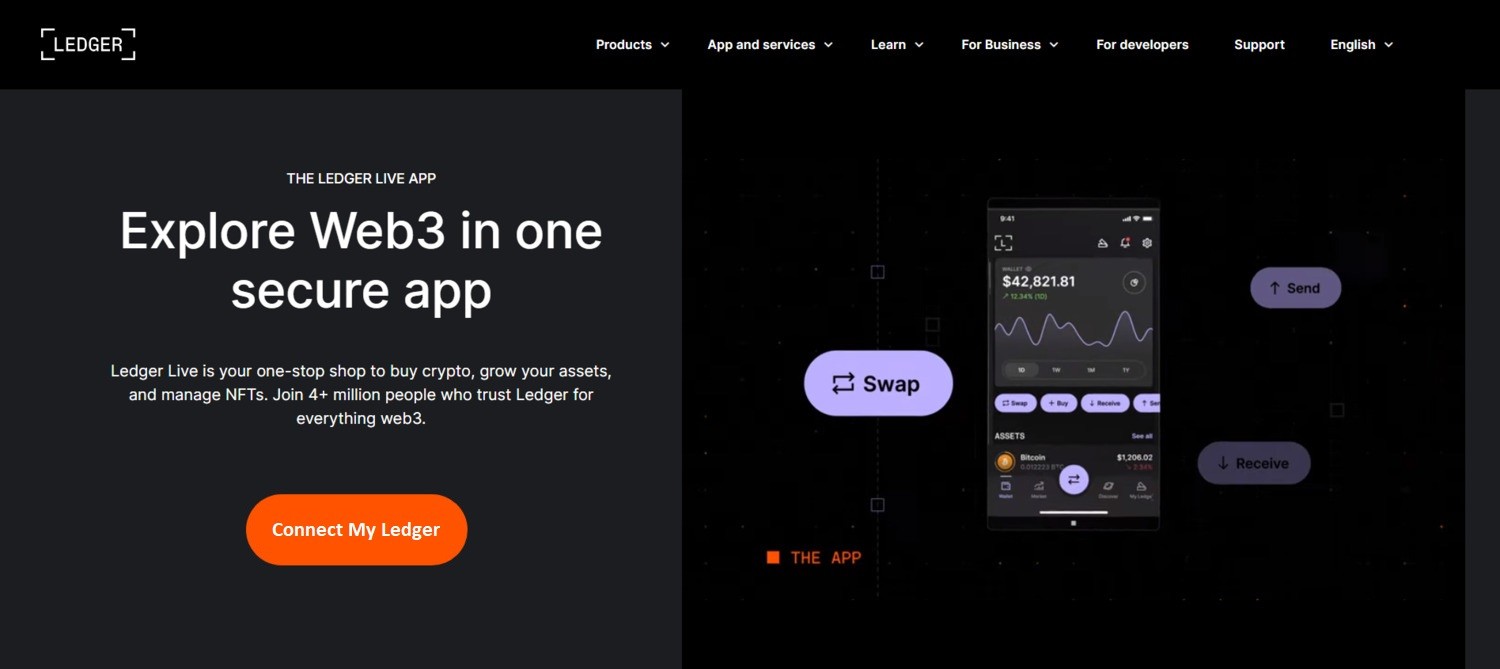
Ledger Login: A Comprehensive Guide to Secure Cryptocurrency Access
In the world of cryptocurrency, security is paramount. Unlike traditional banking systems, where passwords and centralized oversight protect your funds, crypto relies entirely on your private keys. Losing access to these keys, or exposing them to malicious actors, can lead to permanent loss of your assets.
Ledger, a leading manufacturer of hardware wallets, provides one of the safest ways to store cryptocurrency. Ledger devices, such as the Ledger Nano S and Ledger Nano X, keep private keys offline, ensuring your funds remain secure. The Ledger login process—via Ledger Live, the official companion app—is your gateway to managing, tracking, sending, receiving, and staking cryptocurrency securely.
This guide will cover everything about Ledger login: what it is, how to set it up, best practices, troubleshooting tips, and advanced security strategies.
What Is Ledger Login?
Ledger login refers to the process of accessing your cryptocurrency accounts through Ledger Live, using your Ledger hardware wallet. This login allows you to:
Check balances and view portfolio performance
Send and receive cryptocurrency
Stake supported assets for rewards
Manage device firmware and security settings
Unlike online wallets, Ledger ensures that your private keys never leave the hardware wallet, keeping them safe from malware or hacking attempts.
Understanding Ledger Live
Ledger Live is the official application designed to work with Ledger hardware wallets. It is available on:
Desktop: Windows, macOS, Linux
Mobile: iOS and Android
Ledger Live acts as the interface between your hardware wallet and the blockchain. It does not store private keys on your computer or phone. Instead, all signing operations are executed offline on the Ledger device, while the app provides a user-friendly interface to manage your crypto.
Features of Ledger Live
Account Management: Add multiple cryptocurrency accounts in one place.
Portfolio Overview: Monitor your total balance, asset distribution, and performance.
Transaction Management: Send and receive cryptocurrencies securely.
Staking Support: Stake assets like Ethereum 2.0, Tezos, and Polkadot directly from Ledger Live.
Device Management: Perform firmware updates and verify device authenticity.
Ledger Live combines user-friendliness with high-level security, making it suitable for beginners and advanced users alike.
Why Ledger Login Is Important
The Ledger login process is not just about opening an app—it is a security checkpoint for your cryptocurrency.
Benefits of Ledger Login
Secure Access: Only someone with physical access to the Ledger device and the correct PIN can log in.
Offline Key Security: Private keys never leave the hardware wallet, protecting your funds from online threats.
Centralized Management: Manage multiple crypto accounts from a single interface.
Device Verification: Ledger Live ensures your device is authentic, preventing counterfeit attacks.
Proper login practices ensure that your assets remain secure and accessible only to you.
How to Set Up Ledger Login
Before logging in, you must properly set up your Ledger device and Ledger Live.
Step 1: Download Ledger Live
Visit the official Ledger website and download the latest version of Ledger Live.
Avoid third-party sources to prevent downloading malicious software.
Step 2: Install Ledger Live
Follow platform-specific installation instructions.
Open the app and begin the setup process.
Step 3: Initialize Your Ledger Device
Connect your Ledger wallet using USB (or Bluetooth for Ledger Nano X).
Choose to set up a new device or restore an existing wallet.
Create a PIN code and write down your recovery phrase offline.
Never store the recovery phrase digitally.
Step 4: Ledger Login
Open Ledger Live and select “Connect Device.”
Enter your device PIN.
After login, you can add accounts, view balances, send crypto, stake, and manage your portfolio securely.
Features Accessible After Ledger Login
Once logged in, Ledger Live provides multiple tools to manage your cryptocurrency effectively.
Portfolio Overview
See all your holdings in one place, including balances, asset distribution, and historical performance.
Adding Accounts
Add accounts for cryptocurrencies such as Bitcoin, Ethereum, Solana, Polkadot, and many more. Each account remains securely tied to your Ledger device.
Sending and Receiving Crypto
Receiving Crypto: Generate a wallet address in Ledger Live and verify it on your device.
Sending Crypto: Input recipient details and confirm the transaction on your Ledger device for offline signing.
Staking and Rewards
Ledger Live allows you to stake supported cryptocurrencies and earn rewards directly from the app, without compromising security.
Firmware Updates
Update your Ledger device securely through Ledger Live to keep it protected against vulnerabilities.
Security Best Practices for Ledger Login
Even though Ledger is designed for high security, following best practices is crucial.
1. Use Official Software
Always download Ledger Live from the official website.
2. Protect Your Device
Store your Ledger wallet in a safe, secure place to prevent physical theft.
3. Create a Strong PIN
Choose a PIN that is hard to guess but easy for you to remember.
4. Secure Your Recovery Phrase
Never store your recovery phrase digitally. Keep it offline in a secure location.
5. Avoid Public Wi-Fi
Log in to Ledger Live on private networks to reduce cyber attack risks.
6. Verify Addresses
Always confirm recipient addresses on your Ledger device before sending cryptocurrency.
Troubleshooting Ledger Login
Even with proper setup, you may face occasional issues.
Device Not Detected
Check USB connection or Bluetooth pairing.
Try a different USB port or cable.
Restart Ledger Live and reconnect the device.
PIN Errors or Locked Device
Enter the correct PIN.
Multiple failed attempts may wipe the device; restore using your recovery phrase.
Firmware or App Issues
Ensure a stable internet connection.
Download the latest Ledger Live version.
Restart the app and reconnect the device.
Transaction Problems
Confirm network fees are sufficient.
Ensure the device is unlocked.
Refresh account balances in Ledger Live.
Desktop vs Mobile Ledger Login
Ledger Live is available on desktop and mobile platforms.
Desktop Version
Complete account management
Access to all supported cryptocurrencies
Full staking and transaction history features
Mobile Version
Manage crypto on the go
Bluetooth support for Ledger Nano X
Real-time notifications for balances and transactions
Both platforms support secure Ledger login and integrate fully with Ledger hardware wallets.
Common Mistakes to Avoid
Using unofficial software
Storing recovery phrases digitally
Ignoring firmware updates
Skipping address verification
Logging in on public Wi-Fi
Avoiding these mistakes ensures maximum security for your crypto assets.
Conclusion
Ledger login is the gateway to secure cryptocurrency management. By logging into Ledger Live with your hardware wallet, you can safely view balances, send and receive crypto, stake assets, and update your device firmware.
Following best practices—downloading official software, protecting your recovery phrase, verifying addresses, and keeping your device secure—ensures your funds remain protected. Ledger Live combines ease of use with robust security, making it suitable for both beginners and advanced crypto users.
By performing Ledger login properly and managing accounts responsibly, you maintain full control over your digital assets, with peace of mind knowing your funds are secure.